
Research Vision
At the Translational Organ Microsystems (TOM) Group, we develop biomimetic and predictive human organ models to bridge the gap between preclinical discovery and clinical translation, with a particular focus on the lung.
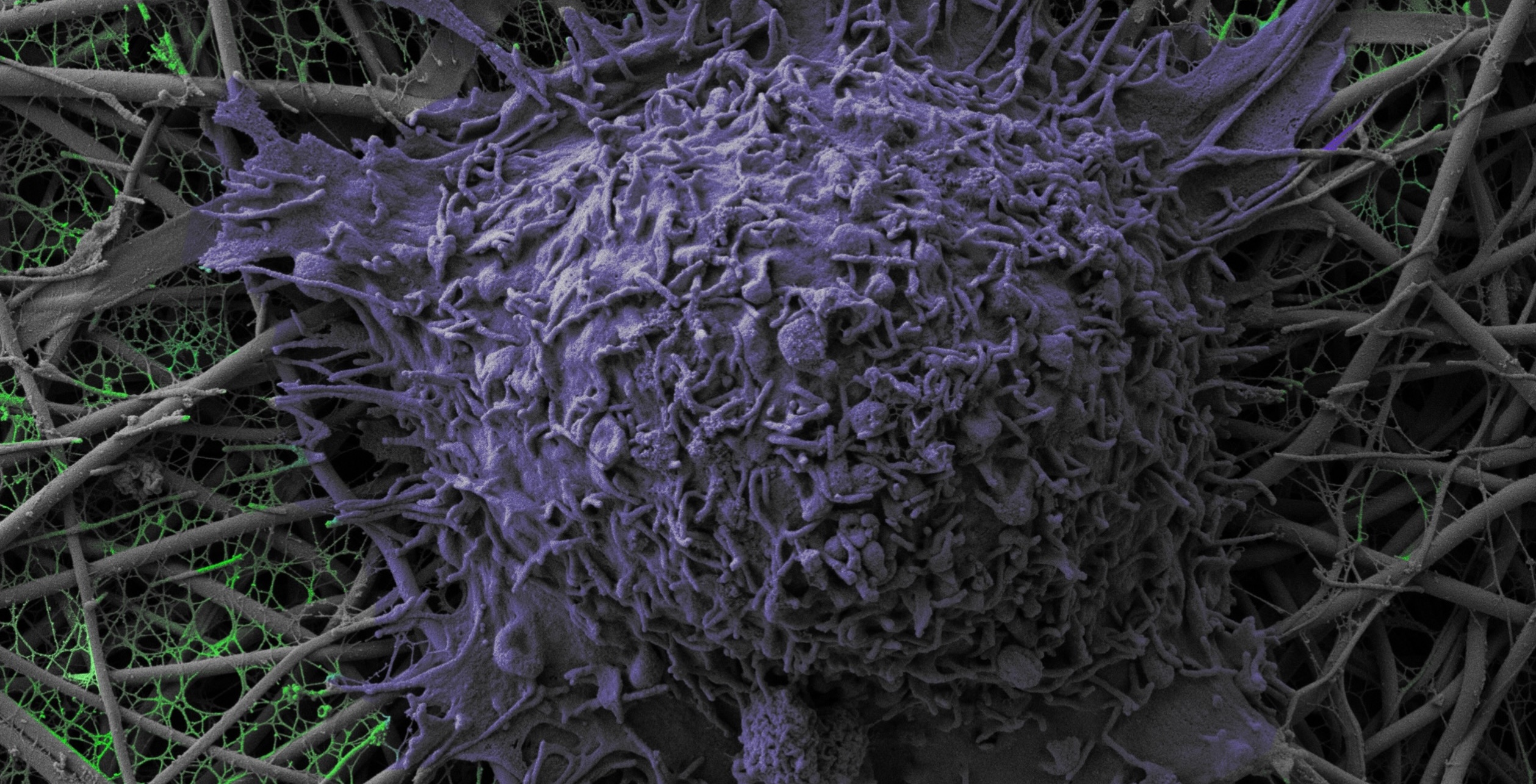
Our Central Research Question
Can we engineer human organ microsystems that faithfully predict disease progression and therapeutic response?
To answer this question, we investigate four interconnected research directions:
-
Engineering Human Organ Microsystems
Development of biomimetic organ-on-chip platforms through advanced biofabrication, microengineering, and modular tissue technologies. -
Decoding Disease Mechanisms
Understanding how mechanical cues, extracellular matrix remodeling, and mechanotransduction regulate pulmonary health and disease. -
Capturing Immune Complexity
Integration of immune cells and host–pathogen interactions into physiologically relevant tissue models. -
Advancing Translational Medicine
Supporting drug discovery, repurposing, and PK/PD studies using predictive human-relevant systems.
Our goal is to build predictive and clinically relevant organ microsystems that improve our understanding of disease and accelerate the development of effective therapies.